Lymphedema in San Antonio
The sleeve or the stocking goes on before anything else in the morning, and half of what is in your closet has quietly stopped being an option. Swelling that has been managed alone for years usually responds to being managed properly.
What causes lymphedema?
Lymphedema is not ordinary swelling, and it does not clear with elevation and patience. It is a drainage problem. When lymphatic vessels or nodes are damaged, removed, or never formed properly, protein rich fluid that should be carried away stays in the tissue instead. Left alone it thickens, hardens, and takes movement with it. Managed properly, it becomes something you control rather than something that runs your day.
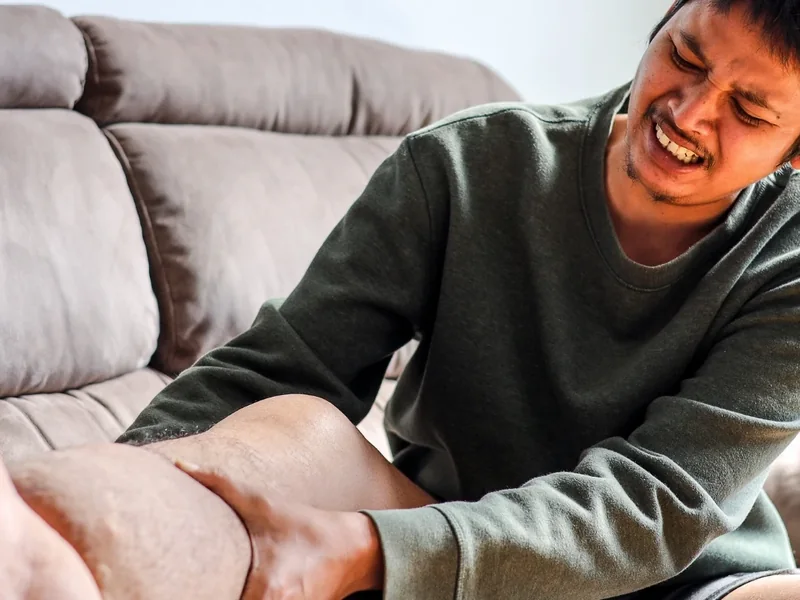
When lymph nodes are biopsied or removed, usually in the armpit or the groin during cancer treatment, the drainage routes for that limb are interrupted. Fluid that used to leave easily now backs up behind the gap. Swelling can appear within weeks of surgery or years later, often set off by an infection, a long flight, or a San Antonio summer. The lymphatic system can be taught to use alternative pathways, and that is precisely what manual lymphatic drainage trains.
Radiation controls disease, and it also leaves fibrosis in the tissue it passes through. Scarred lymphatic vessels move fluid poorly, and the effect can build gradually long after treatment ended. Because the change is slow, many people write off the heaviness in an arm or a leg as weight gain or age. Skilled hands-on work softens fibrotic tissue and reopens the routes that are still available to you.
Some people are born with lymphatic vessels that are too few, too narrow, or that never developed properly. The swelling may show up in adolescence, during pregnancy, or in adulthood with no surgery or injury behind it. Primary lymphedema gets missed for years and treated as a circulation problem or a weight problem. The management is the same as for secondary lymphedema, and the earlier it starts, the less tissue change there is to reverse.
Cellulitis damages lymphatic vessels, and repeated infections compound that damage, which is why a hot, red, spreading area is treated urgently rather than watched. Trauma, burns, and orthopedic surgery can disrupt drainage in the same way. Chronic venous insufficiency overloads a lymphatic system that had been coping until then. Working out which of these is actually driving your swelling changes what your therapy looks like, so evaluation comes before treatment.
Compression is what holds the ground that treatment wins. A garment that is the wrong class, the wrong size, worn out, or painful to pull on ends up in a drawer, and the limb refills. That is a fitting problem, not a discipline problem. Your therapist checks how the garment actually sits, teaches bandaging where bandaging is needed, and builds a routine you can keep up on an ordinary weekday rather than an ideal one.
Plenty of people live with lymphedema for years because someone described it as permanent and left it at that. It is chronic, and it is also treatable. Volume comes down, heaviness eases, skin softens, and limbs move again. Texas direct access lets you begin therapy for up to 30 days without a physician referral, and we verify your insurance benefits before your first visit so you know your coverage in writing beforehand.
How physical therapy in San Antonio helps.
We use Complete Decongestive Therapy, the standard of care for lymphedema, and its parts work together rather than in isolation. Manual lymphatic drainage is a light, specific hands-on technique that redirects stagnant fluid toward drainage routes that still function. Compression, whether bandaging or a properly fitted garment, holds that reduction between visits. Decongestive exercise puts your own muscle pump to work inside the compression. Skin and nail care protects you from the infections that undo progress fastest. Sessions run 30 to 60 minutes, one on one with the same licensed therapist each visit, and you leave able to run a version of all of it at home.
What to expect from your recovery.
Evaluation and measurement
We take girth measurements at set points along the limb, assess skin condition and tissue texture, review your surgical and medical history, and inspect any compression you already own. That gives us a baseline to work against instead of an impression. You leave the first visit knowing where your swelling actually stands and what the plan involves.
The decongestive phase
This is the intensive stretch: manual lymphatic drainage, bandaging or fitted compression, decongestive exercise, and skin care, layered in the order your limb needs. We remeasure regularly so you can watch the volume come down rather than take our word for it. As the tissue softens, comfort and movement return and the exercise progresses with them.
Maintenance you run yourself
Once the limb has reduced, the work shifts to holding it there. We get you into compression that fits, teach you self drainage and a home exercise routine, and set out what to do about heat, flights, infections, and flare ups. You finish with a plan you control, not a course of treatment that simply stops.
Excellent and knowledgeable staff! Great experience and I'd recommend this place to anyone
Pain rarely travels alone.
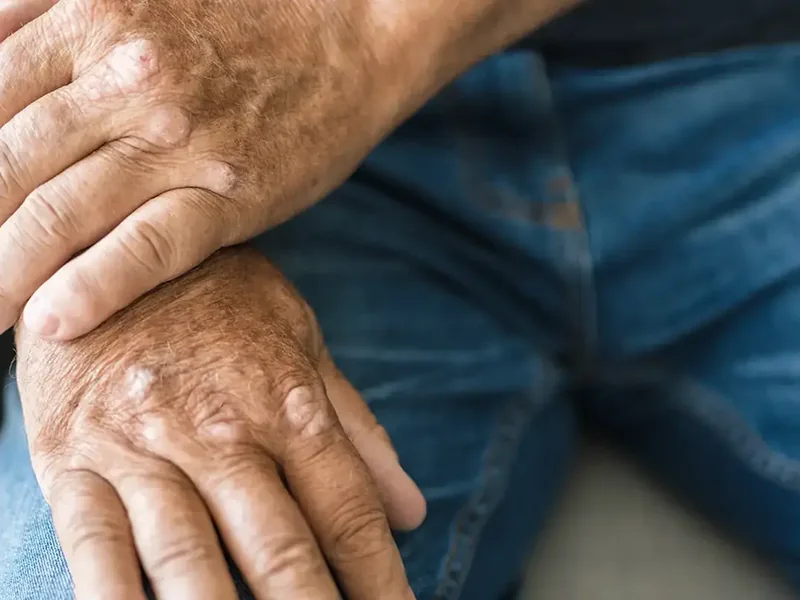
Arthritis
Swelling and stiff joints travel together. When movement is limited too, we treat both rather than one at a time.
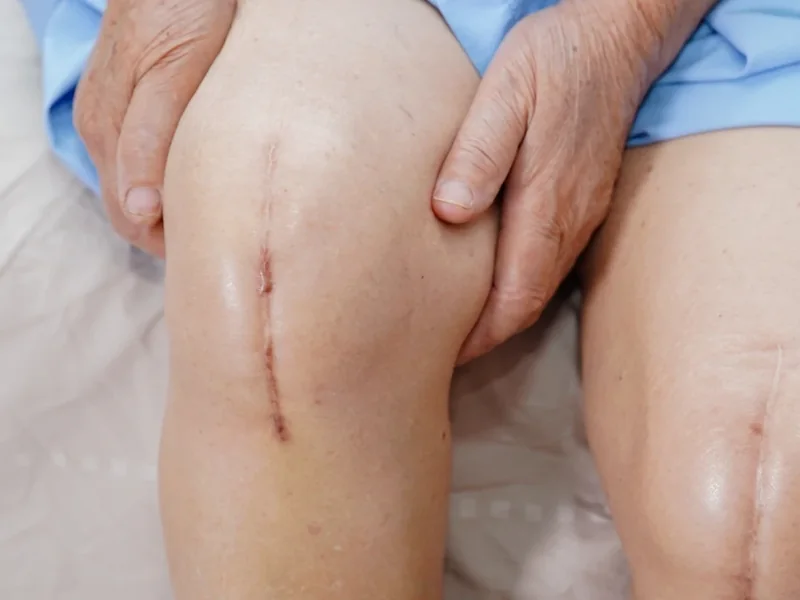
Knee Replacement Surgery
Leg swelling after joint surgery has its own management. Decongestive care and rehab run well side by side.
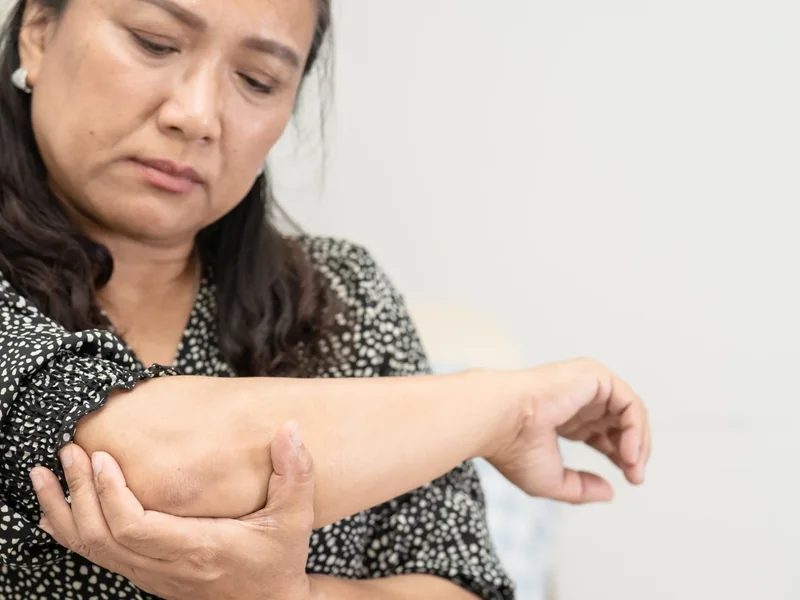
Elbow, Wrist & Hand Pain
Carpal tunnel, tennis elbow, arthritis and post-operative hands, treated by hand specialists.